features
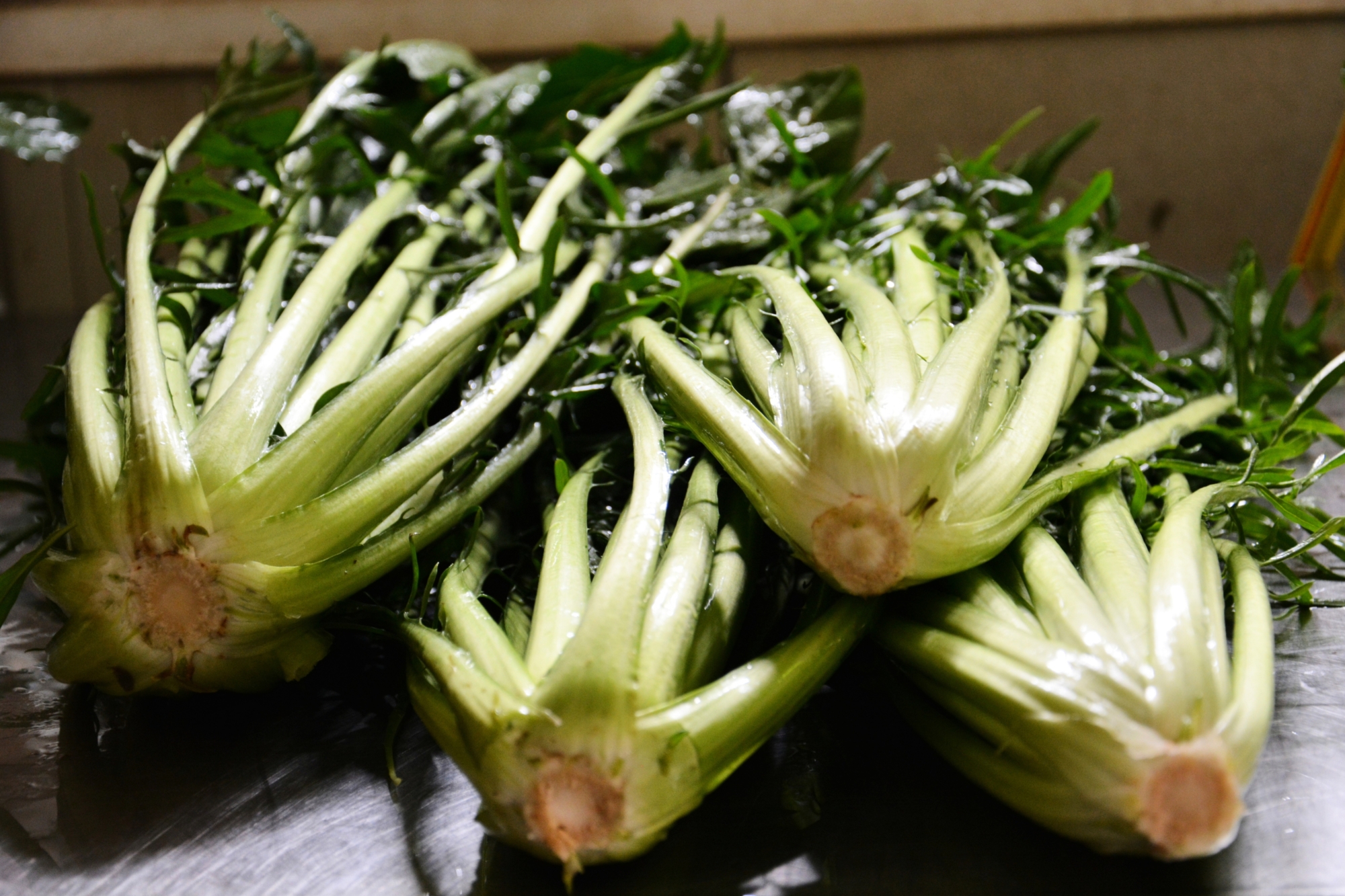
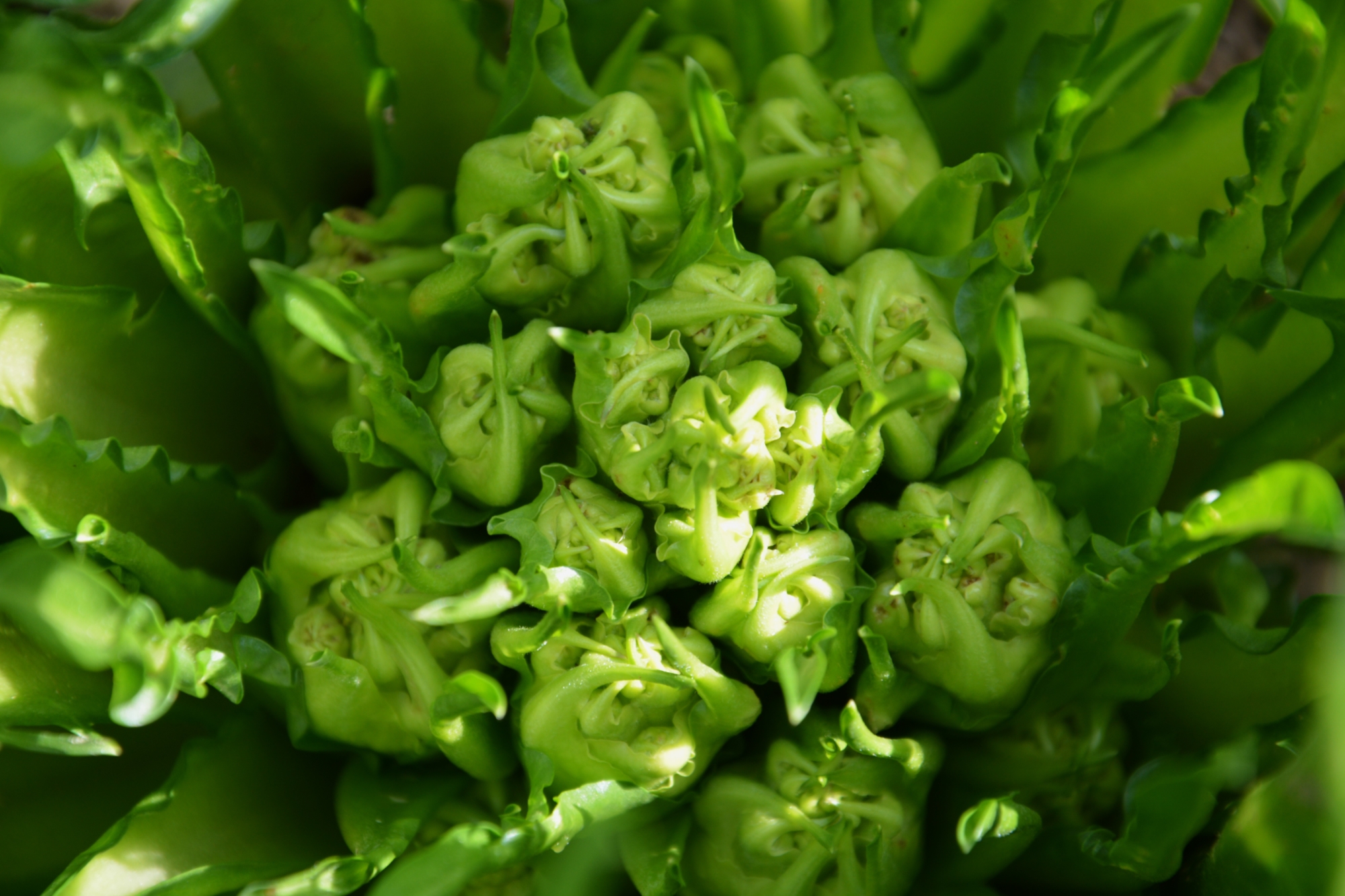
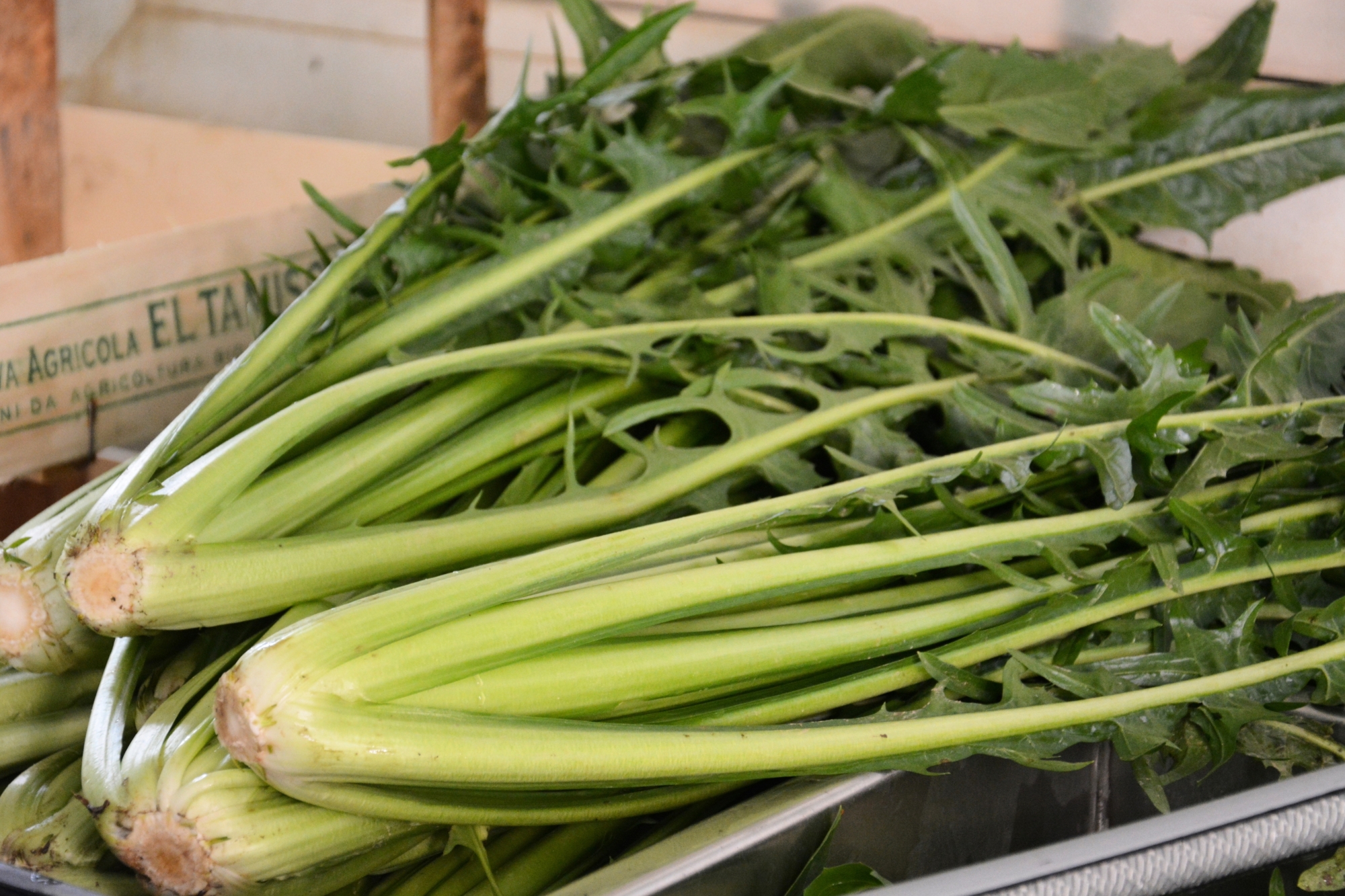
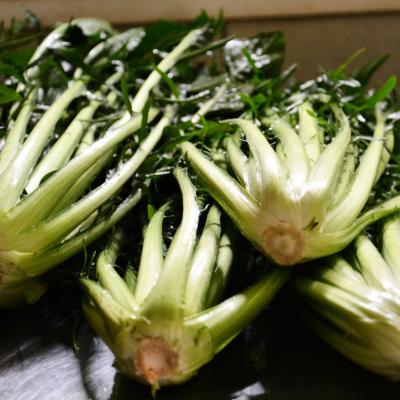
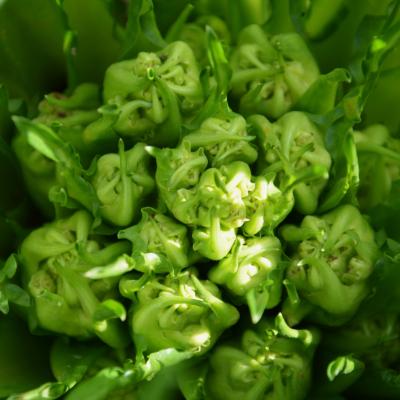
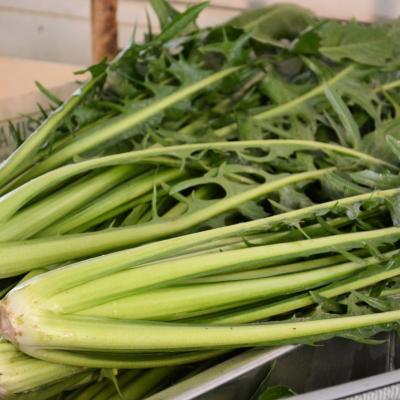
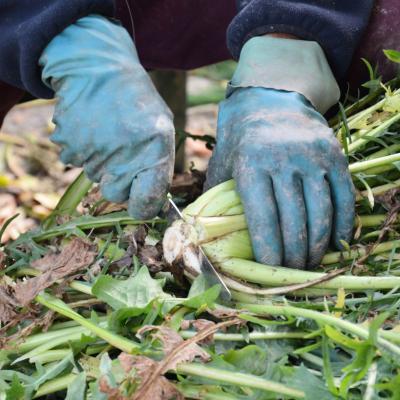
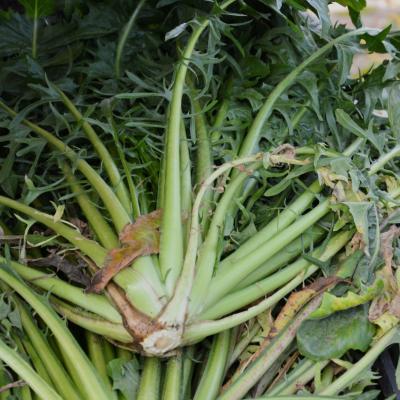
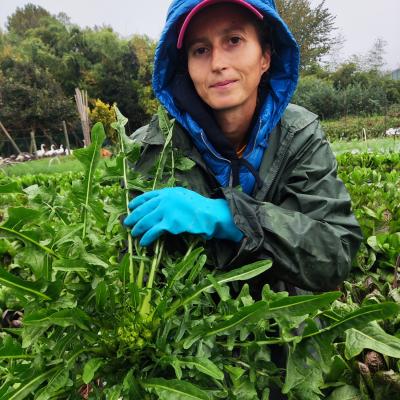
Chicory Catalonia Puntarelle di Galatina: also known as asparagus chicory due to the shape of the shoots, native to the Puglia region.
The shoots are great for eating raw, while the excess leaves can be used to prepare cooked side dishes, like a 'normal' Catalonia.
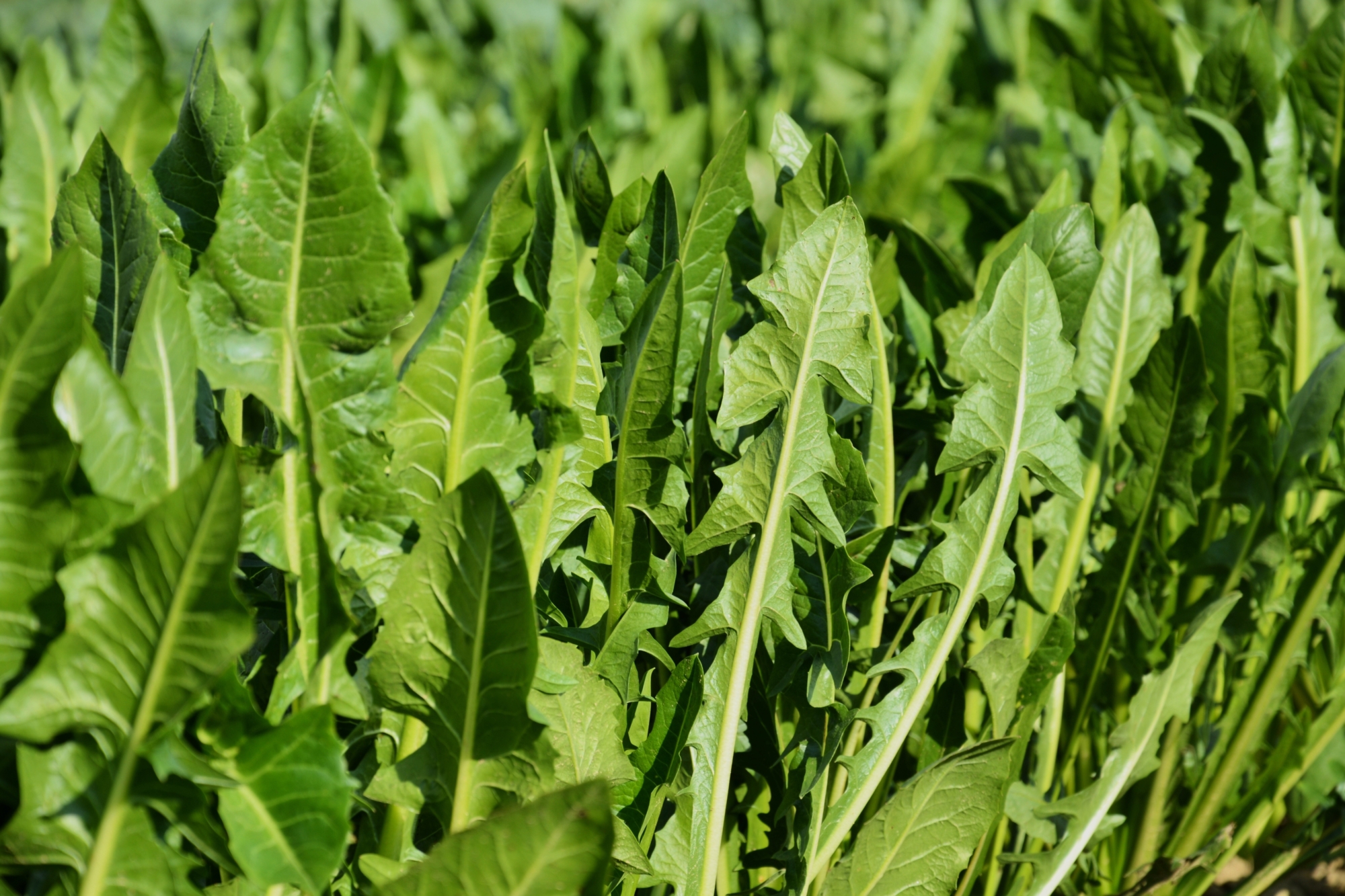
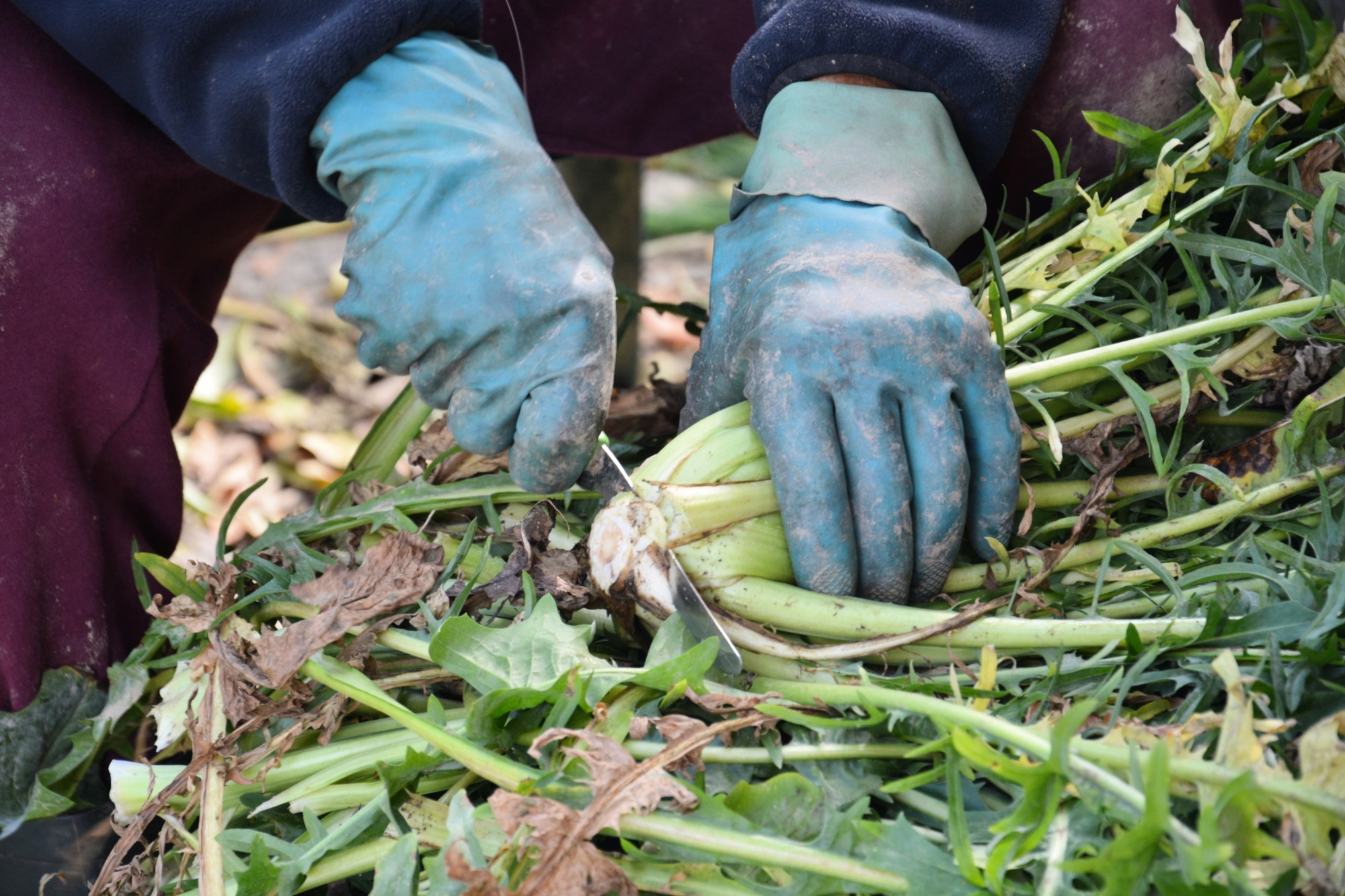
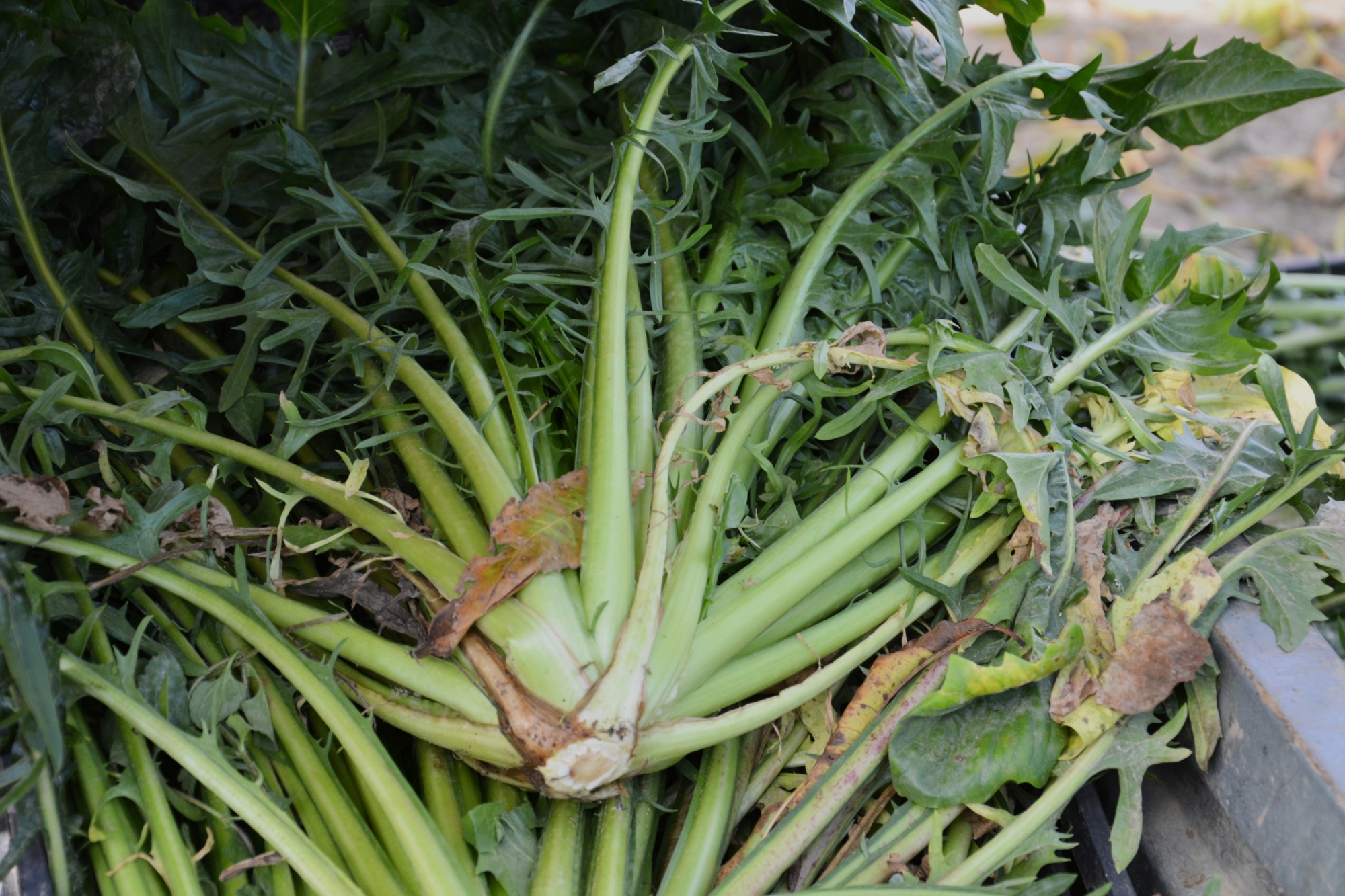
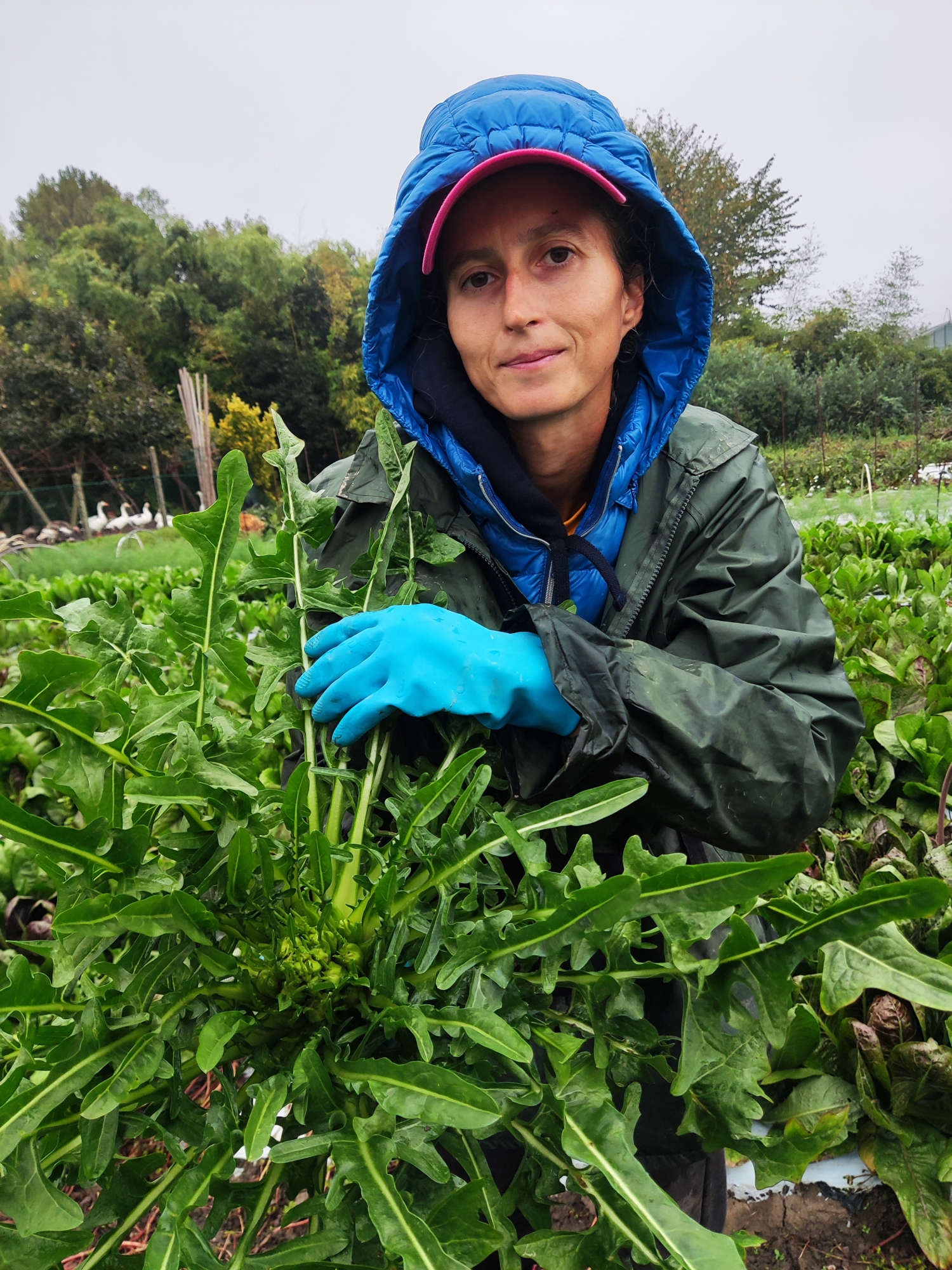
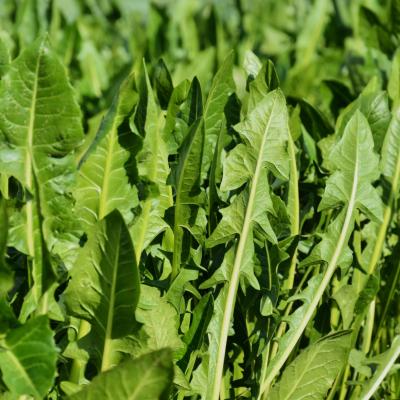
Giant Catalonian chicory of Chioggia: in the Chioggia area, this vegetable has always been present in family gardens, with highly developed tufts, dark green leaves, elongated, narrow and very jagged. The coasts are white, very wide and thick. Its particular taste, a rather pronounced bitterness, is typical of a vegetable that grows in sandy soils that heat up quickly and guarantee an early harvest.
The seeds of our chicory are the result of a careful selection by Smarties.Bio, a seed company with which we have been collaborating for some time to enhance non-artificially hybridized Ecotypes, to protect biodiversity.
Cooperativa Agricola El Tamiso - Ecotypes: the freedom of seeds!
Producers
Correzzola (Padua)
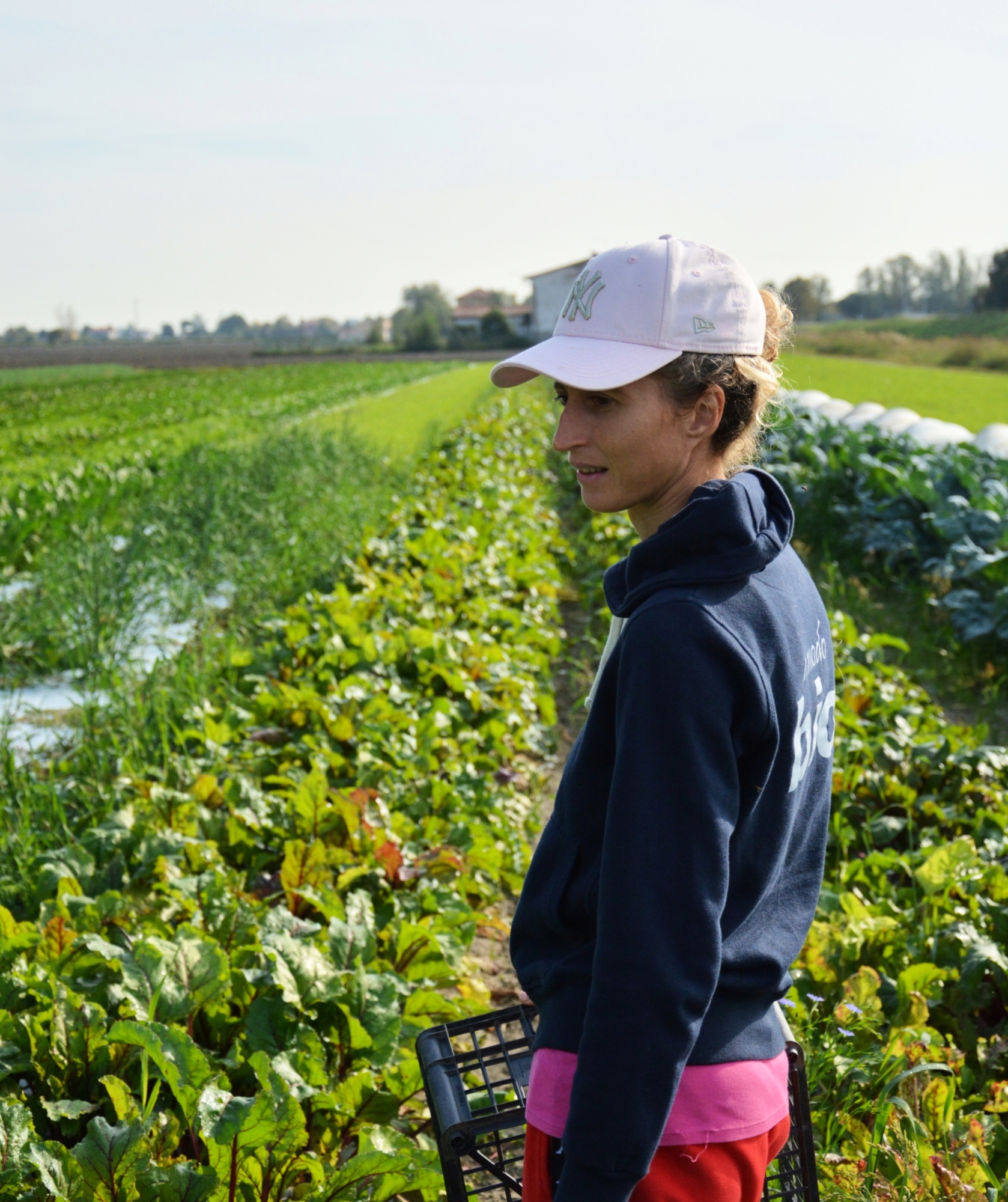
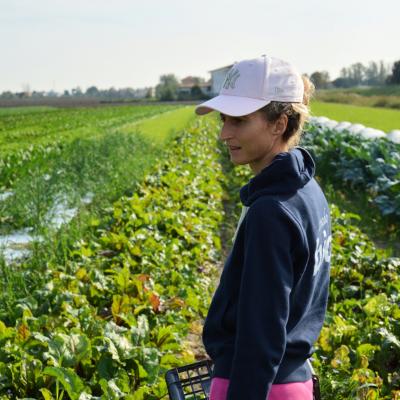
Laura cultivates the family business with the Homeodynamic method and does it with great passion and care for the land.
In addition to an extremely fertile soil, thanks to the use of self-produced compost, Laura helps her vegetables with treatments with Nettle, Horsetail and microorganisms, all of which allow for stronger and more productive plants without the use of chemical agents, more fertile soil and a natural fight against pathogens.