features
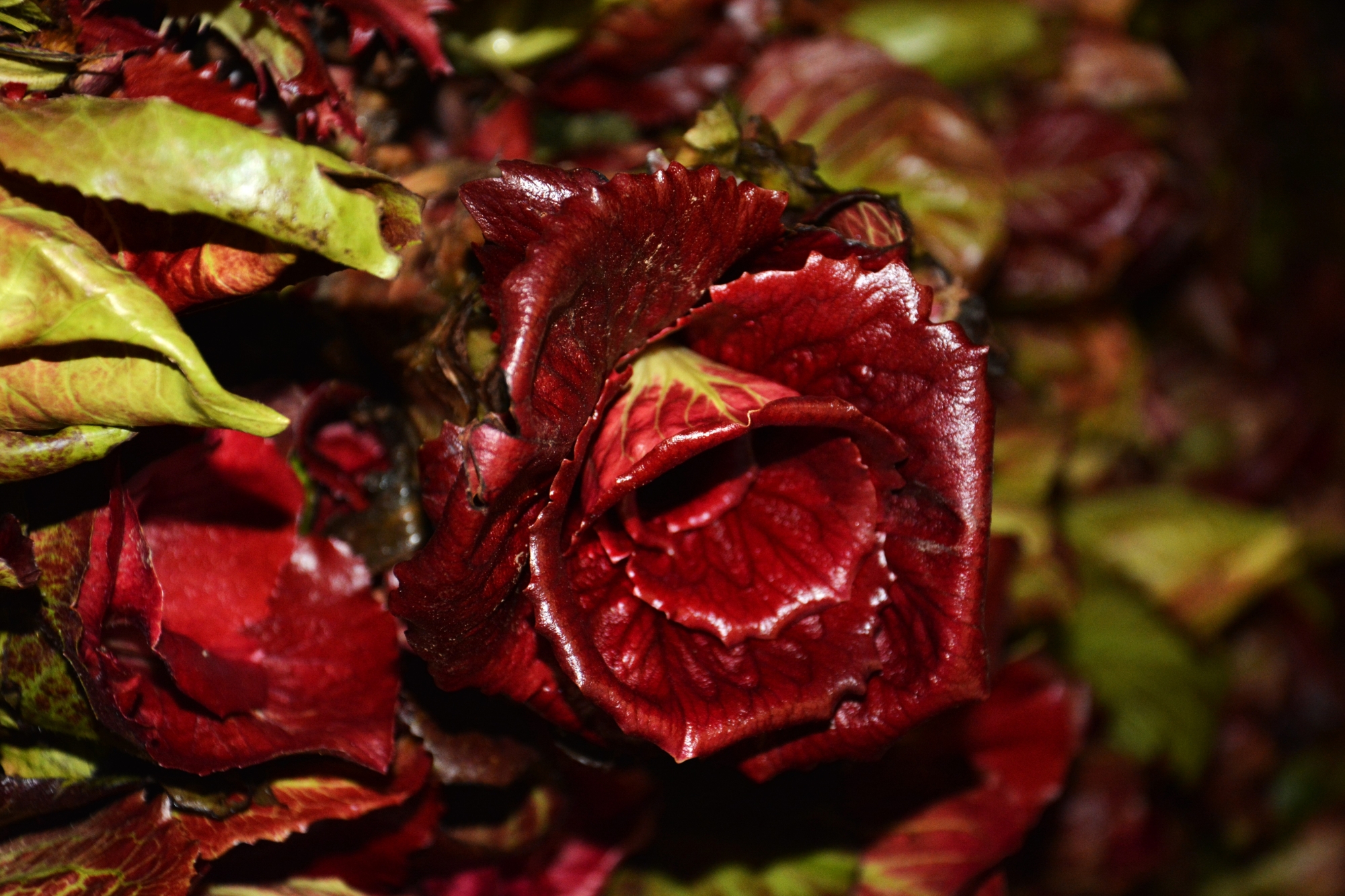
“The busa” is a radicchi forcing technique practiced in Lusia until the end of the 70s and then fallen into disrepair due to the high labor costs.
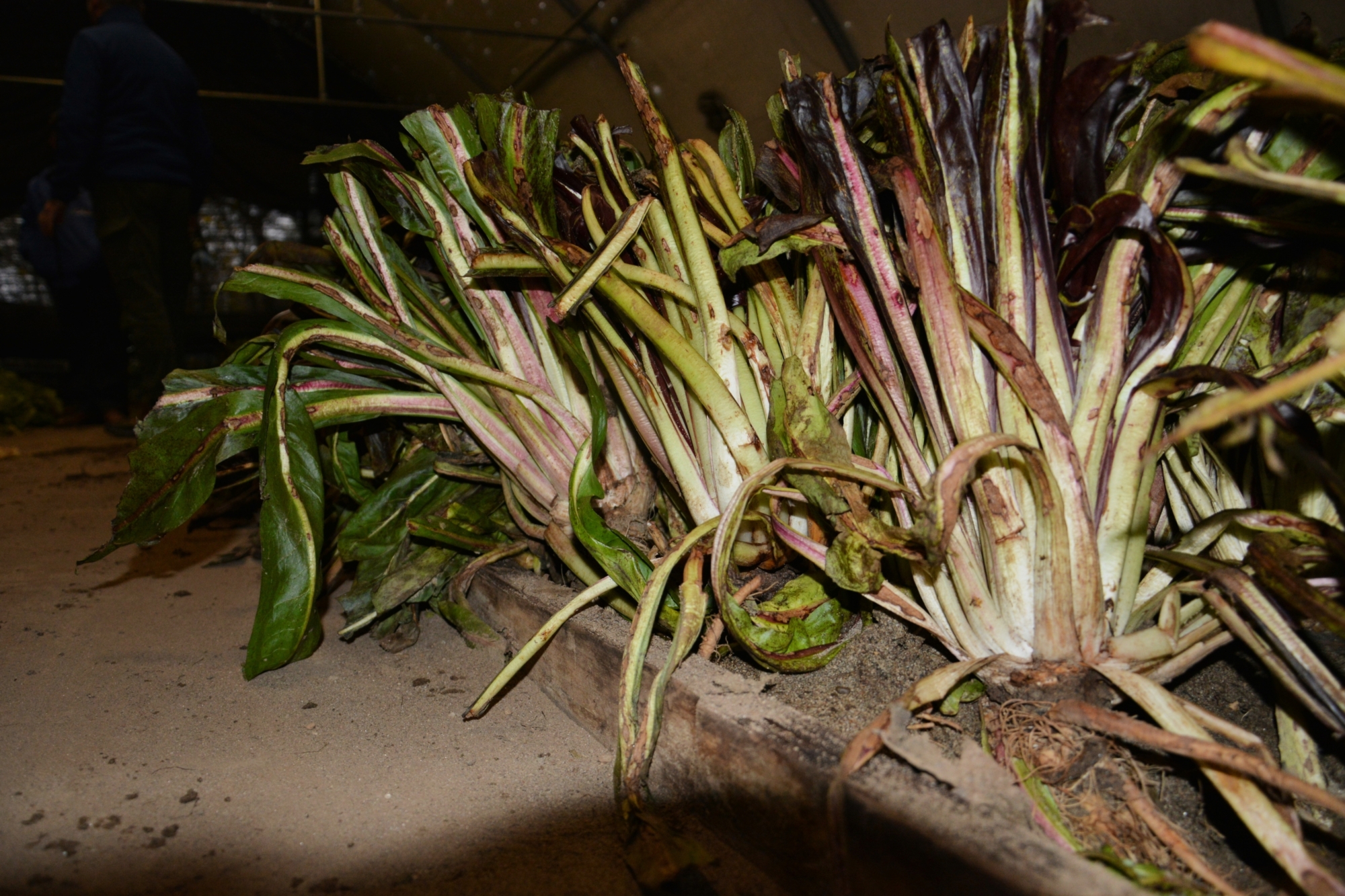
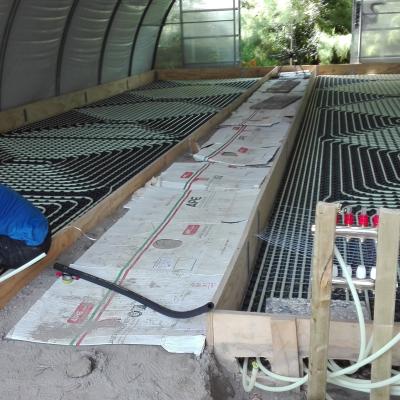
The technique consisted of harvesting the radicchi, after they had taken some ice, leaving about ten cm of root, roughing them from the outer leaves and replanting them in the Adige sand in a hole (hence the term) dug in the middle of a field and heated thanks to fermenting manure.
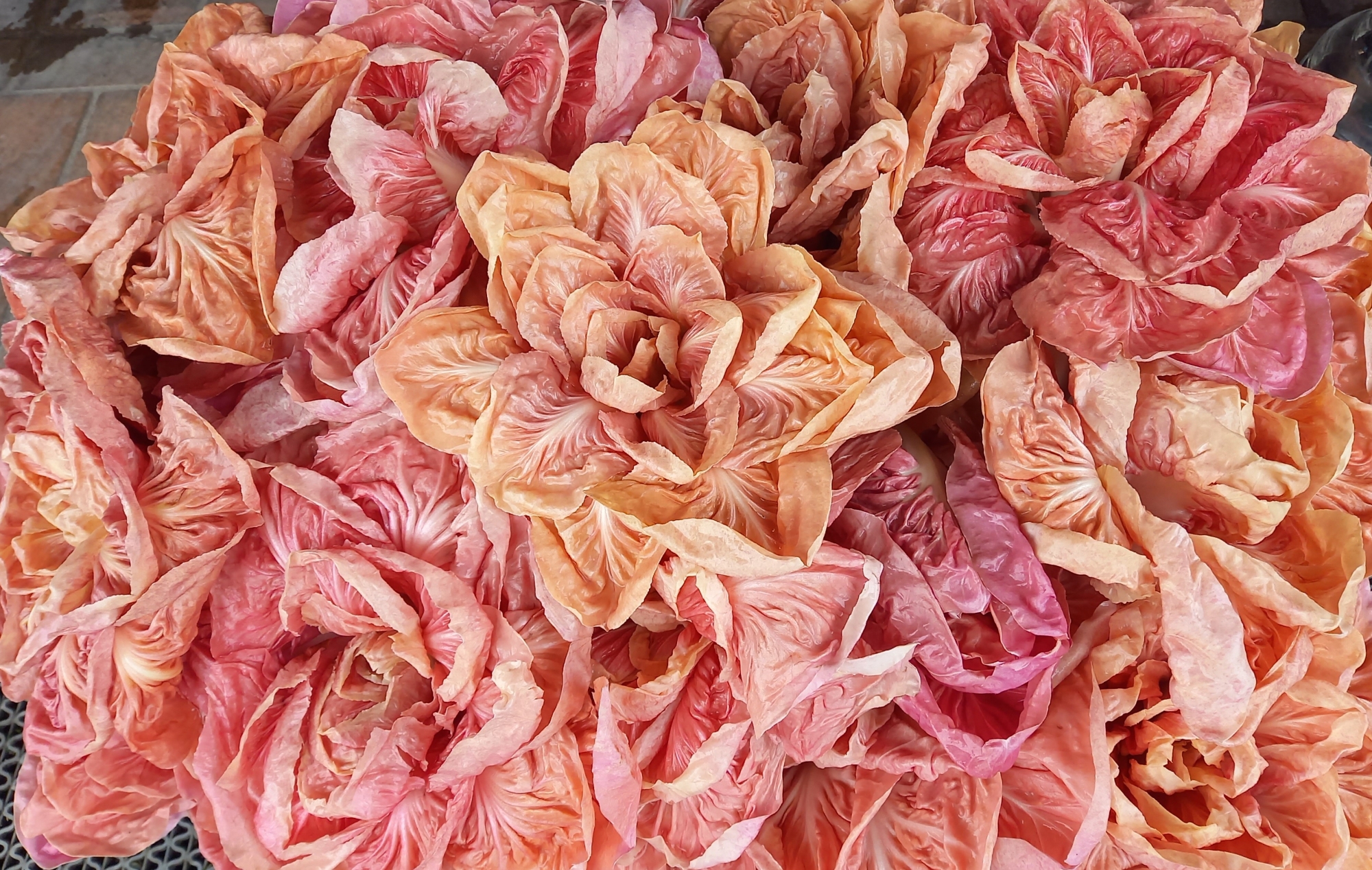
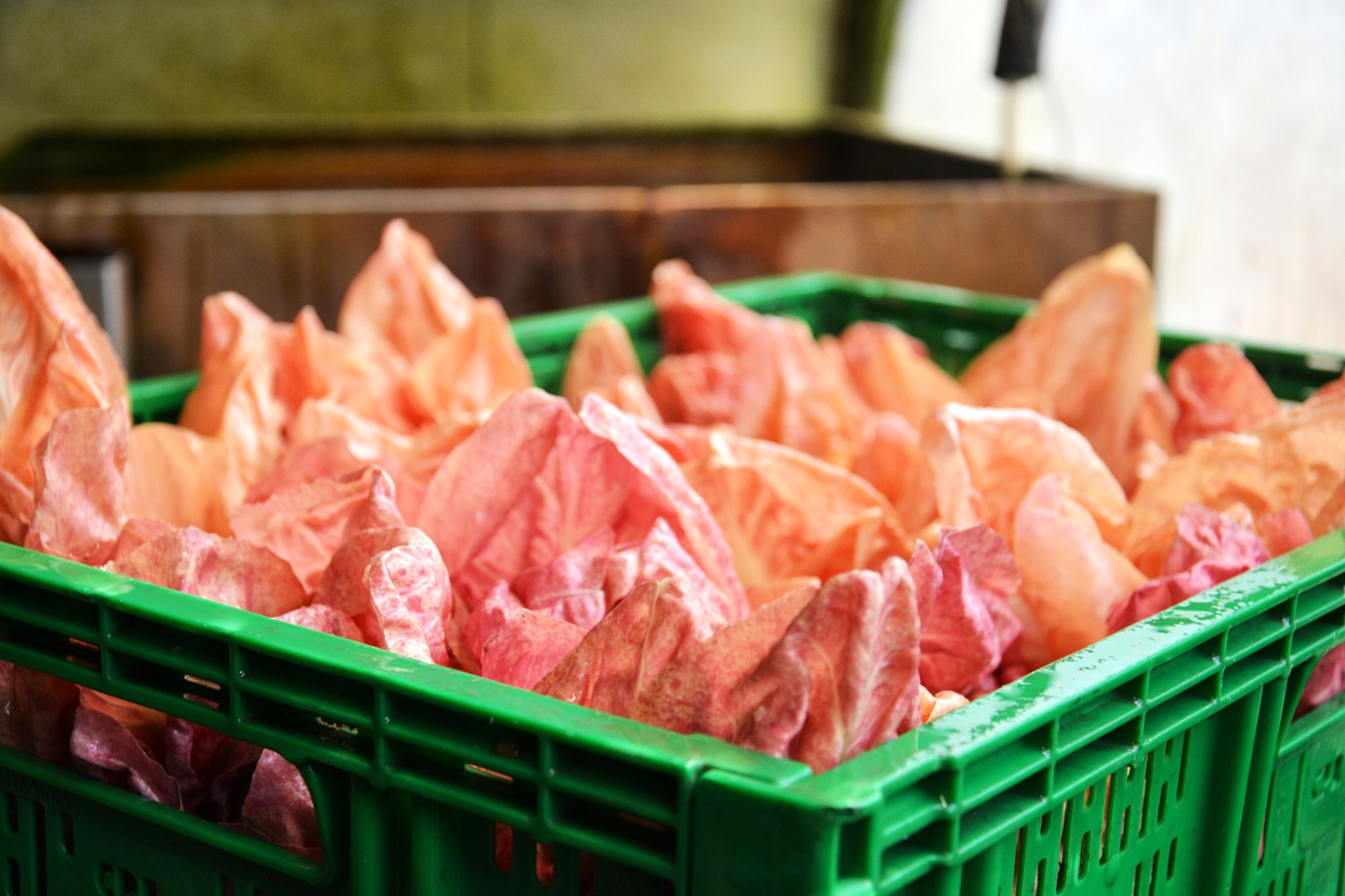
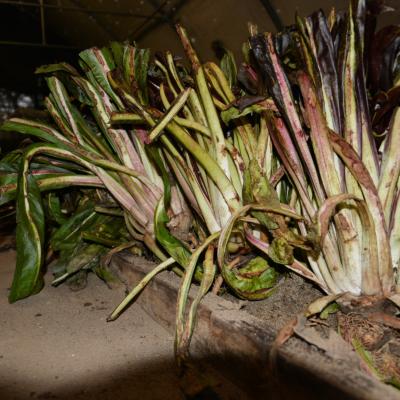
After about twenty days, all the leaves of the radicchio, now rotted, guarded the heart of the vegetable from which a new sprout had sprouted: just what, even today, we can savor at the maximum of its nutritional and tasting virtues.
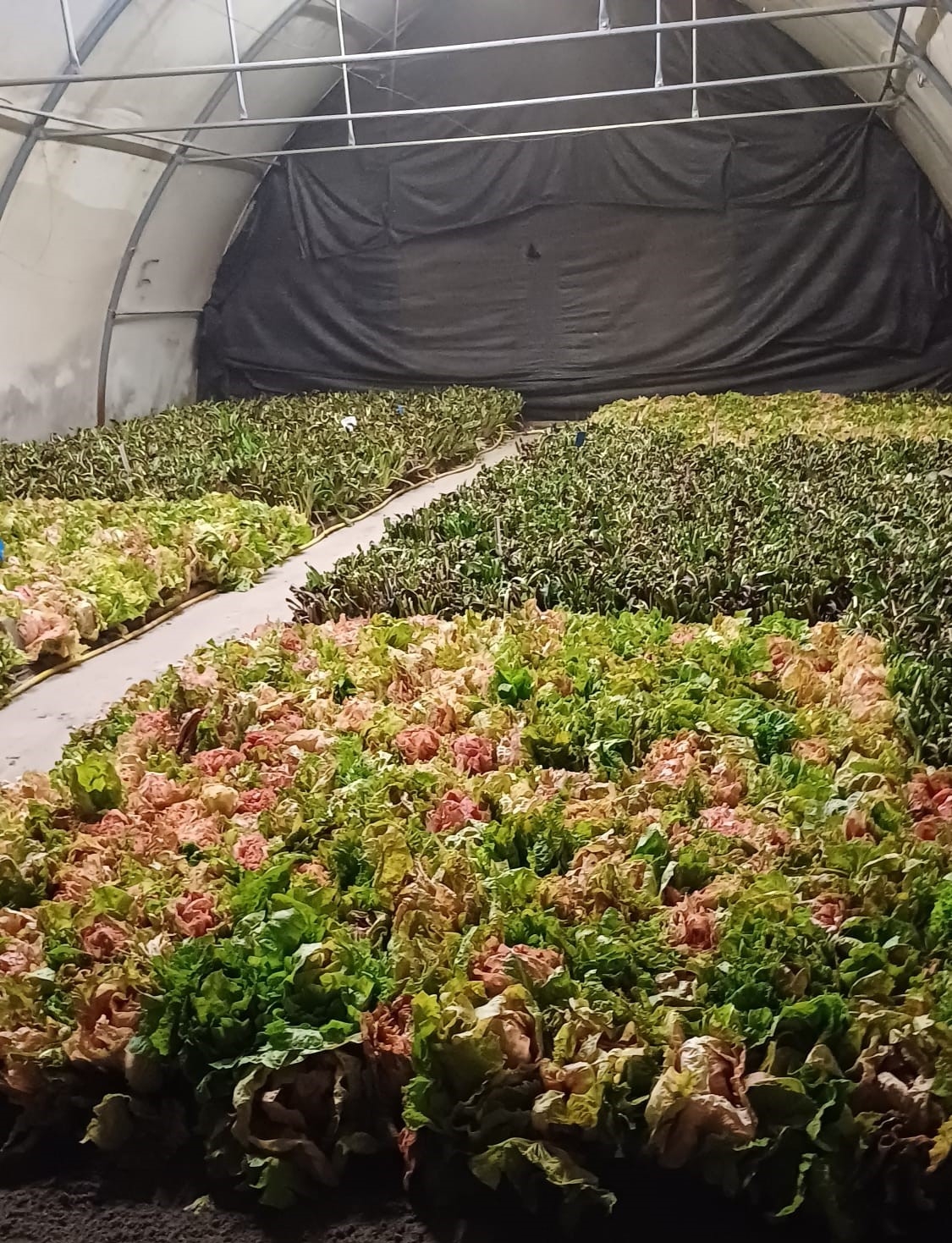
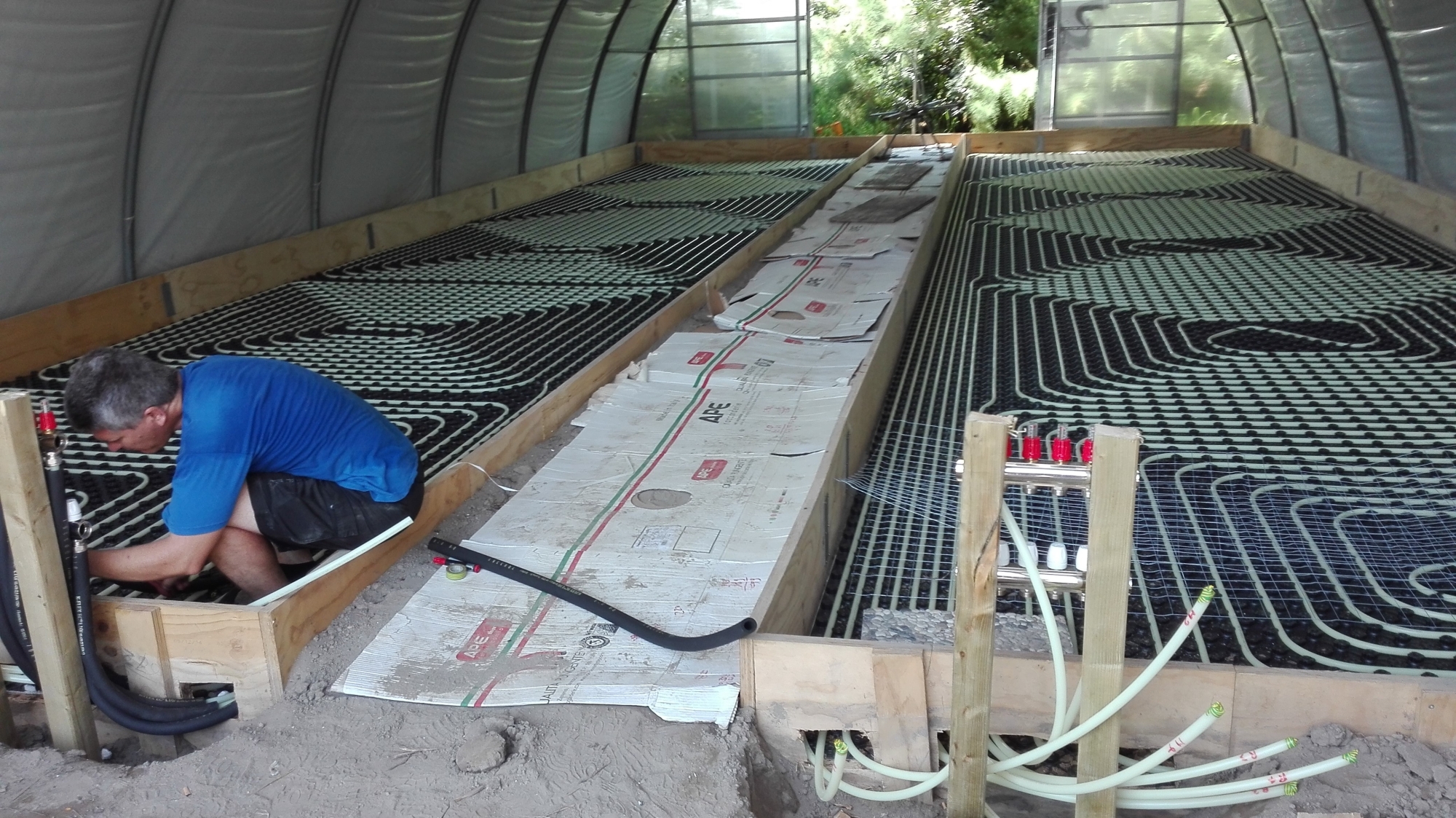
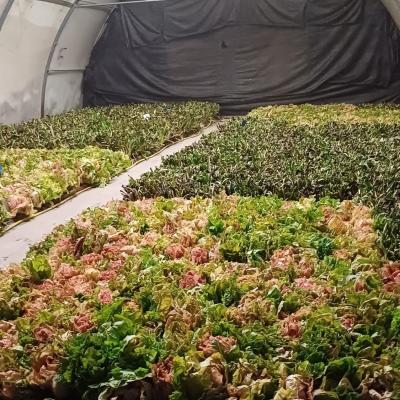
The orthodidactic has taken up the original technique by obtaining the “bags” in a dark greenhouse with underfloor heating.
A work that aims to return to the past but with the knowledge and tools of the present.
Producers
The radicchi put in busa by the Orthodidactic:
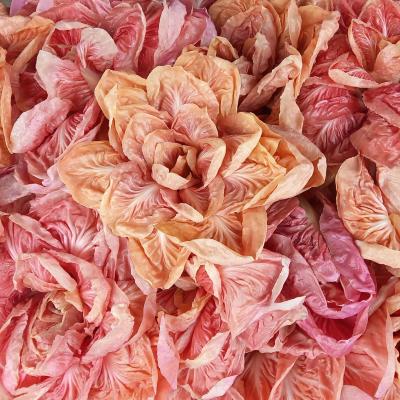
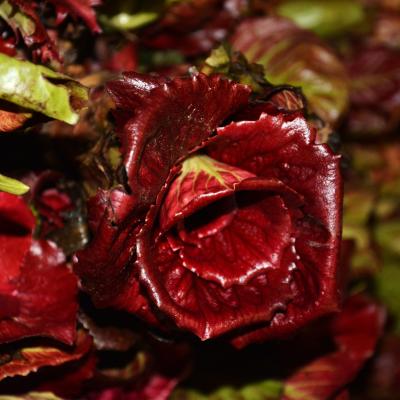
R OSA DI L USIA (derived from Lusia for subsequent crossings with Treviso) Taste and crunch similar to the Lusia of old times but with a more attractive color and shape. The maximum of crunchiness and minerality comes from the busa forcing technique.
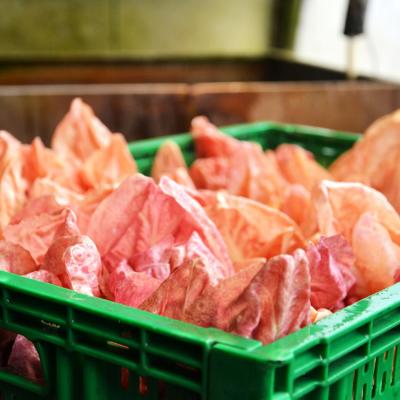
OPEN VENTILATED V (from Castelfranco) With an appearance similar to Castelfranco but with a softer color and without any shade of green. Much more sapid and crunchy.
R RED L LONG IN WINTER (from classic Treviso) The maturation in sand for more than twenty days gives the coast longer, more sapidity and more succulence.
R ADICCHIO BY G ORIZIA Ripening in busa gives the small cornucopia more crunch and maximum succulence.